
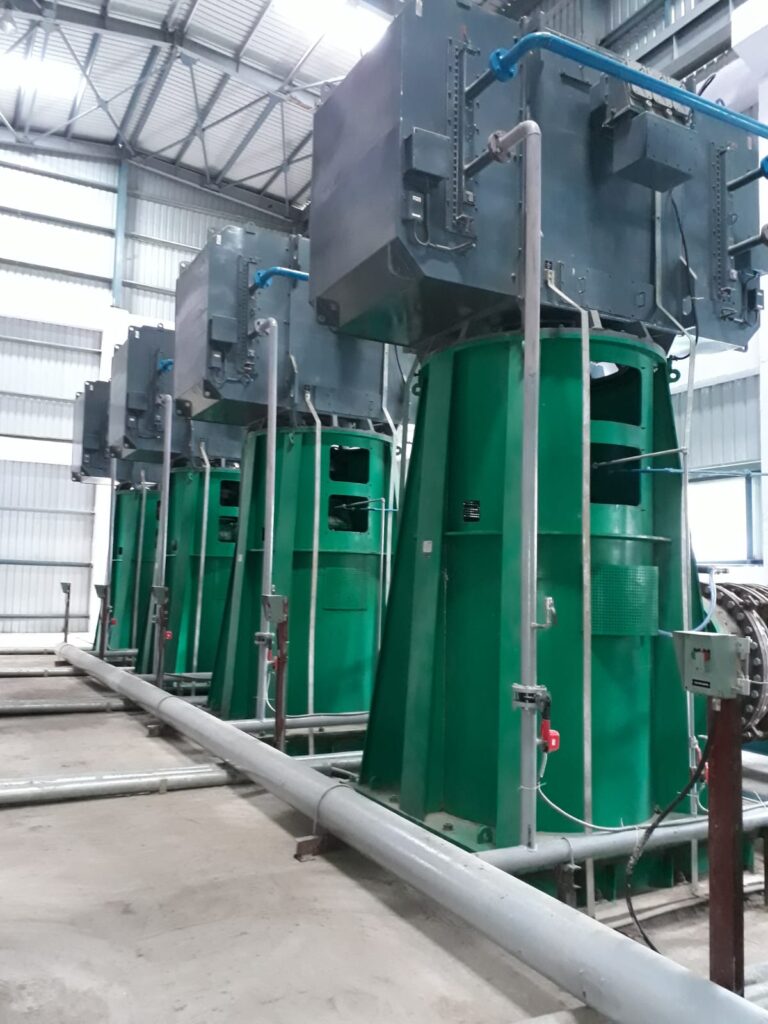
Drinking Water Project Commissioning Planning Solutions (DWPCPS)
SAPL offers complete Design, installation, Testing, commissioning, operation, and maintenance of pumps, motors, control systems, and other equipment necessary to extract, treat, store, and distribute water, including activities like: power supply systems, pump station construction, piping systems, automation controls, monitoring systems, and associated electrical wiring and connections; all aimed at ensuring efficient water flow throughout the project.
Key Electrical and Mechanical Activities in a Drinking Water Project:
• Submersible pumps: Selection, Installation and maintenance of submersible pumps in boreholes or wells to extract groundwater.
• Pump motor selection: Choosing appropriate motor power and type based on water flow requirements.
• Power supply lines: Laying electrical cables to the pump station from the grid.
• Water Treatment Plant:
• Treatment process pumps: Installation of pumps for various treatment stages like raw water pumps, chemical dosing pumps, filter pumps, and clear water pumps.
• Motor control centres (MCCs): Design and installation of MCCs to manage motor starting and control.
• Automation systems: Integration of electrical control systems for automated operation of treatment processes, including level sensors, flow meters, and chemical dosage control.
• Emergency power backup: Installation of diesel generators for power outages.
Water Storage and Distribution:
• Booster pumps:
Installation of pumps to increase water pressure in the distribution system.
• Elevated tank pumps:
Pumps for transferring water to elevated storage tanks.
• Pipeline control valves:
Electrically operated valves for regulating water flow in the distribution network.
• SCADA systems:
Supervisory Control and Data Acquisition systems to monitor and control water pressure and flow across the distribution network.
• Other Important Considerations:
• Lightning protection: Installation of lightning arrestors to protect electrical equipment from lightning strikes.
• Earthing systems: Proper grounding to ensure safety and prevent electrical hazards.
• Maintenance protocols: Developing routine maintenance schedules for electrical and mechanical equipment including pump inspections, motor checks, and control system calibration.